A calm, caring AI system for whole-pet health — multi-species, monitored daily, vet-ready when it matters.
A calm, caring AI system for whole-pet health — multi-species, monitored daily, vet-ready when it matters.
ROLE
Vibe Coding
UI/UX Design
Research
Prototyping
TIMELINE
Jan 2026
—
Apr 2026
BACKGROUND
Case Study
Personal Project
UI/UX Thinking
01 OVERVIEW
A connected health system, not a one-time search.
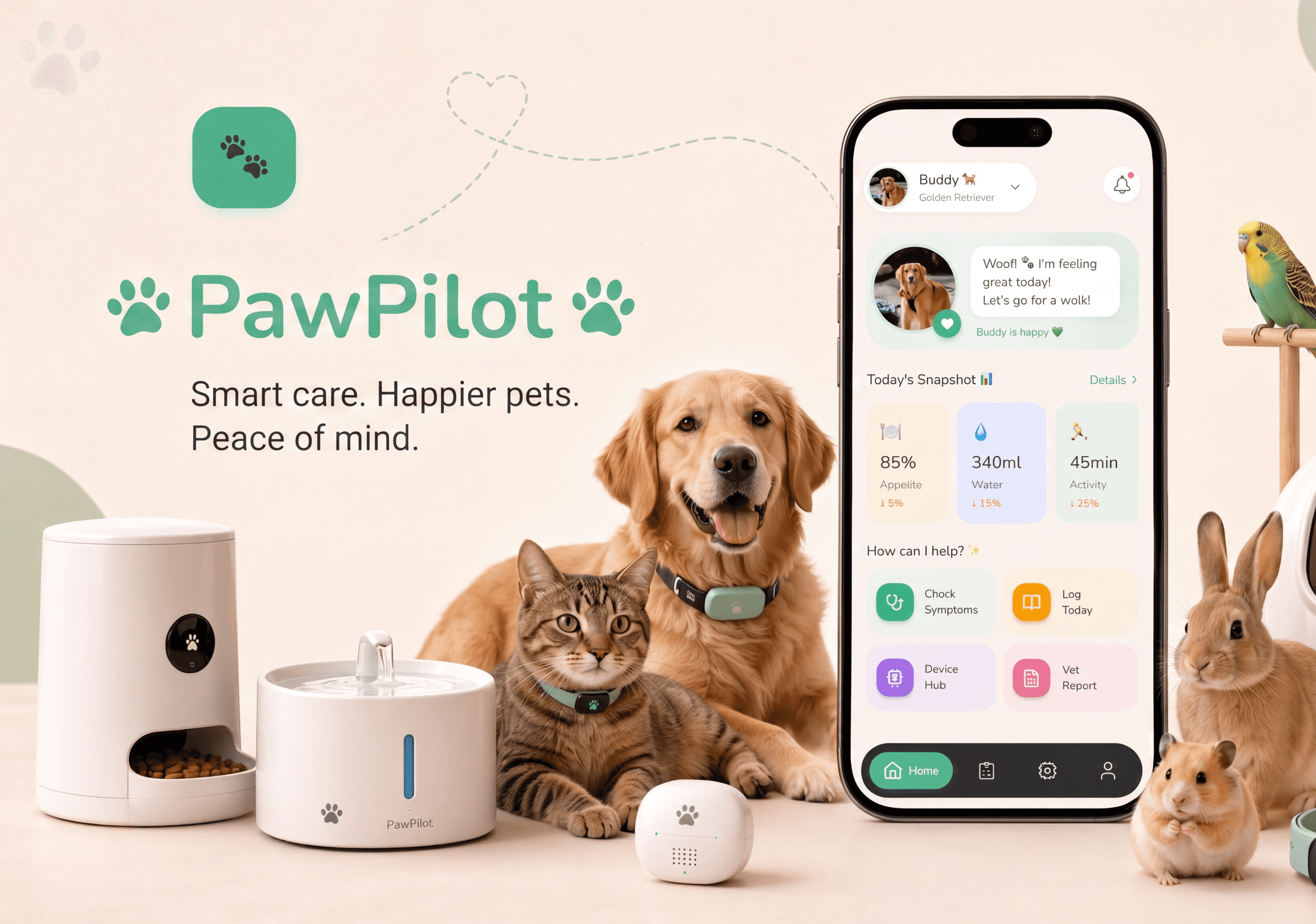
PawPilot is a multi-species AI pet health companion. It guides owners through symptom triage with calm, structured questions; builds a daily baseline from logs and smart-device signals; and turns scattered observations into a vet-ready report — so the moment something feels off, the next step is already clear.
PawPilot is a multi-species AI pet health companion. It guides owners through symptom triage with calm, structured questions; builds a daily baseline from logs and smart-device signals; and turns scattered observations into a vet-ready report — so the moment something feels off, the next step is already clear.
02 PROBLEM STATEMENT
Pet care today is fragmented, reactive, and built mostly for dogs and cats.
Across four very real moments — confusion, scattered records, underserved species, and isolated device data — owners are left to assemble the picture themselves, usually after something has already gone wrong.
01
Owners can’t read the signals
Owners can’t read the signals
Owners often Google symptoms or wait too long, unsure whether what they’re seeing warrants a vet visit.
Owners often Google symptoms or wait too long, unsure whether what they’re seeing warrants a vet visit.
02
Health records are scattered
Health records are scattered
Vaccine pictures, vet notes, and feeding routines live across photos, notes, and chat threads.
Vaccine pictures, vet notes, and feeding routines live across photos, notes, and chat threads.
Non-traditional pets ignored
Non-traditional pets ignored
Birds, reptiles, fish, and exotic pets need different care logic, but most apps focus on cats and dogs.
Birds, reptiles, fish, and exotic pets need different care logic, but most apps focus on cats and dogs.
03
Smart device data is isolated
Smart device data is isolated
Feeders, litter boxes, activity trackers, and environment sensors often live in separate apps.
Feeders, litter boxes, activity trackers, and environment sensors often live in separate apps.
04
OPPORTUNITY
What if pet health became a connected system, instead of a one-time search?
What if pet health became a connected system, instead of a one-time search?
01-GUIDE
01-GUIDE
Walk owners through safe, structured decisions when symptoms show up.
Walk owners through safe, structured decisions when symptoms show up.
02-BASELINE
02-BASELINE
Build a daily health baseline so changes are noticed before they escalate.
Build a daily health baseline so changes are noticed before they escalate.
03-CONNECT
03-CONNECT
Build a daily health baseline so changes are noticed before they escalate.
Pull in real-world signals from devices, photos, and routines into one view.
03 TARGET USER
For owners who need structure, not just advice.
PawPilot is especially useful in the moments where care gets complicated — multiple pets, unusual species, or smart devices that don’t talk to each other.
🐕
🐈
Common · The default user~60% of users
Everyday pet owners
People with a single dog or cat who need help understanding symptoms and daily health changes — without needing a vet for every question.
What they need
Calm second opinion before a vet visit
One place for vaccine records and notes
Gentle reminders, not noisy notifications
🐕
🐈
🐇
Power user · Multi-profile~18% of users
Multi-pet households
Owners managing several animals at once who need separate profiles, reminders, and records so nothing slips through the cracks.
What they need
Per-pet baselines and history
Color-coded reminders that don't blur together
Shared access for partners and pet sitters
🦜
🦎
🐠
Underserved · Primary focusMostly ignored by existing apps
Non-traditional owners
Owners of birds, reptiles, fish, small mammals, amphibians, and exotic pets — who currently rely on forums and Discord because no app speaks their species.
What they need
Species-specific logic and red flags
Habitat and environment tracking
Connects to a network of exotic-friendly vets
🍽️
💧
📡
Tech-forward · Hub userExisting hardware owners
Smart-device users
People who already use feeders, fountains, litter boxes, sensors, or activity trackers — but whose data lives in five different apps that never talk to each other.
What they need
Unifies feeder, fountain, and tracker data
Detects drift from a pet's normal baseline
Surfaces patterns no single device can see
04 THE PRODUCT
A multi-species AI pet health companion.
Four core functions, tuned to the moment owners actually need them — calm enough to use daily, structured enough to trust in an emergency.
AI Symptom Check
A guided triage chat feature that assists pet owners in describing observed symptoms and recommends suitable actions.
CHAT & ACTION
>
Daily Health Tracking
Daily notes on pet’s appetite, hydration, elimination, and behavior, then gradually establish baseline health data.
MONITORING
>
Smart Device Hub
Feeders, fountains, litter trackers, environment sensors — read together, not separately. Monitor pets’ status in real time.
MONITORING
>
Vet-Ready Report
The owner’s logs, photos, and data—compiled into a PDF allow the veterinarian to review the situation and provide appropriate care.
CHAT & ACTION
>
05 SYSTEM FLOW
Four moments, one loop.
Daily tracking feeds detection. Detection triggers action. Action loops back into follow-up — and the baseline learns. The whole system is a quiet rhythm, not a one-time tool.
Monitor
Daily logs & devices
Detect
Baseline anomalies
Act
Triage & vet report
Follow Up
Learn the baseline
FEAUTRE 1: MULTI-SPECIES SUPPORT
Care logic that fits the animal.
A bird, a reptile, and a hamster can’t be triaged with the same symptoms, follow-up questions, or warning signs. Species Packs make the system actually usable for the real world of pet ownership.
01
Support for non-traditional pets
Every pet gets a structured profile from day one. Basic info, photos, vaccines, and a baseline that the app keeps learning from — the foundation for everything downstream.
02
Species Packs
Plug-in care logic per species. PawPilot adjusts symptom trees, normal ranges, and red flags based on your pet's profile — automatically, without you re-teaching the app.
03
File creation
Every pet gets a structured profile from day one. Basic info, photos, vaccines, and a baseline that the app keeps learning from — the foundation for everything downstream.
01
Support for non-traditional pets
Every pet gets a structured profile from day one. Basic info, photos, vaccines, and a baseline that the app keeps learning from — the foundation for everything downstream.
02
Species Packs
Plug-in care logic per species. PawPilot adjusts symptom trees, normal ranges, and red flags based on your pet's profile — automatically, without you re-teaching the app.
03
File creation
Every pet gets a structured profile from day one. Basic info, photos, vaccines, and a baseline that the app keeps learning from — the foundation for everything downstream.
WHY IT MATTERS
Most pet apps are built for dogs and cats. Real pet care is much broader.
Different animals need different health logic.
A bird, a reptile, and a hamster cannot be assessed using the same symptoms, follow-up questions, or warning signs.
Species Packs make the system truly usable.
They allow PawPilot to adjust key metrics, red flags, and care logic based on the type of animal.
A clear pet profile is the foundation of everything.
Without a structured pet profile, the app cannot personalize tracking, device interpretation, or symptom triage.
More people are keeping non-traditional pets.
Internet growth has sparked interest in non-traditional animals — we have to meet this demand.
FEAUTRE 2: MONITORING - DIGITAL TWIN
Figure out what’s normal — before things get messy.
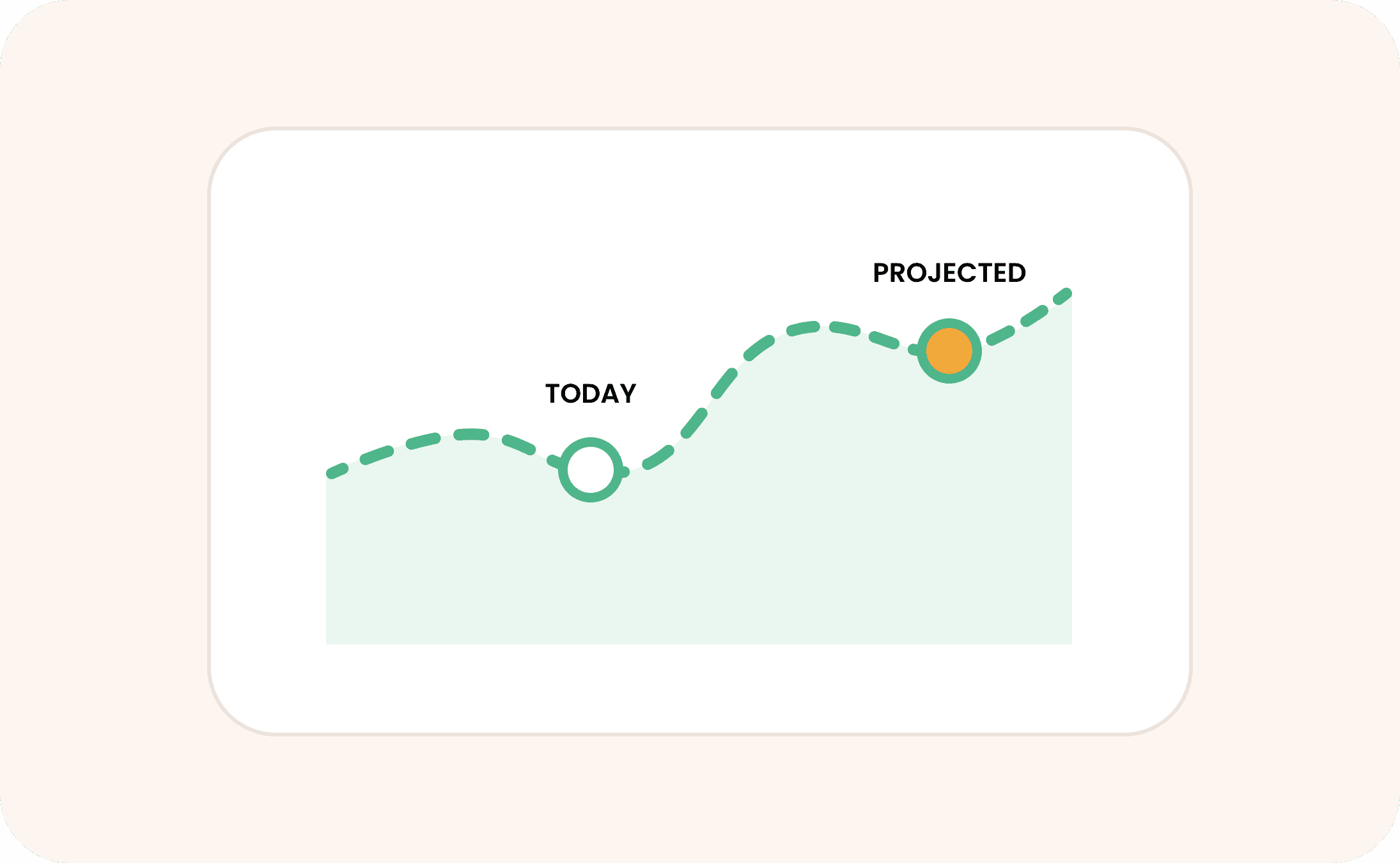
PawPilot isn’t just for emergencies. Daily logs and connected devices teach the app what “normal” looks like for this animal, so small drifts get caught early, not after they spiral.
04
Device Hub
Feeders, fountains, litter trackers, and environment sensors reconcile against the same baseline — so changes get caught earlier than memory ever could.
05
Proactive Alerts
Connected devices detect unusual changes against each pet’s baseline and notify owners early. PawPilot explains what changed and possible causes, helping users respond quickly and seek appropriate care.
06
Daily health tracking
PawPilot tracks each pet’s daily health signals and compares them with their baseline, helping owners spot changes early.
04
Device Hub
Feeders, fountains, litter trackers, and environment sensors reconcile against the same baseline — so changes get caught earlier than memory ever could.
05
Proactive Alerts
Connected devices detect unusual changes against each pet’s baseline and notify owners early. PawPilot explains what changed and possible causes, helping users respond quickly and seek appropriate care.
06
Daily health tracking
PawPilot tracks each pet’s daily health signals and compares them with their baseline, helping owners spot changes early.
WHY IT MATTERS
PawPilot isn’t just for emergencies. It helps figure out what’s normal before things get messy.
Health problems are easier to detect and defence
Daily logs and device data help PawPilot learn each pet’s baseline over time.
The Digital Twin turns scattered data into patterns.
Instead of isolated numbers, the system compares appetite, water, activity, waste, and environment against the pet’s usual behavior.
The Device Hub makes the app more proactive.
By connecting smart devices, PawPilot can move beyond manual input and catch changes earlier.
Help users identify issues more effectively.
Everyday devices help identify the causes of pets’ illnesses more accurately and quickly.
FEAUTRE 3: CHAT & ACTION
Guided triage — not just chatbot replies.
Owners don’t just need information; they need help deciding what to do next. Symptom Triage walks them through urgency, possible causes, and next steps — then bundles everything into a Vet-Ready Report.
07
Symptom Triage Chat
Species-aware questions combine owner observations with profile and device data to assess urgency, identify possible causes, and guide the safest next step.
08
Vet-Ready Report
Owner observations, logs, photos, and device data are packaged into one structured PDF — a summary the clinic can actually read in the exam room.
09
Vet Visit Prep
Provide users with the fastest vet best suited to their pet's condition and schedule an appointment. Help users treat their pets' illnesses more effectively and quickly
07
Symptom Triage Chat
Species-aware questions combine owner observations with profile and device data to assess urgency, identify possible causes, and guide the safest next step.
08
Vet-Ready Report
Owner observations, logs, photos, and device data are packaged into one structured PDF — a summary the clinic can actually read in the exam room.
09
Vet Visit Prep
Provide users with the fastest vet best suited to their pet's condition and schedule an appointment. Help users treat their pets' illnesses more effectively and quickly
WHY IT MATTERS
Pet owners don’t just need information — they need help deciding what to do next.
Symptom Check should feel like guided triage, not just chat.
The goal is to help owners understand urgency, possible causes, and what to do next.
These features reduce uncertainty at the most stressful moment.
Instead of guessing or searching online, owners get a clear path — monitor, prepare for a visit, or seek emergency care.
The Vet-Ready Report bridges home and clinic.
It turns scattered symptoms, logs, media, and device signals into a structured summary the clinic can use immediately.
Sometimes a pet’s condition is worse than the owner expects.
Pets can be in worse condition than owners realize — early structured action matters.
07 USER RESEARCH
What do owners actually need from a pet health app?
To get a wider perspective, I spoke with pet owners across very different situations — first-time dog parents, multi-pet households, non-traditional pets keepers, and people already using smart feeders or fountains. I wanted to hear how each of them thinks about their pet’s health, and where existing tools let them down.
METHOD
11
Owner interviews · 30–60 min
Owner interviews · 30–60 min
SPECIES COVERED
7
Dog, cat, rabbit, hamster, gecko, parrot, fish
Dog, cat, rabbit, hamster, gecko, parrot, fish
SURVEY RESPONSES
20
Online questionnaire · pet owner forums
Online questionnaire · pet owner forums
EXPERT TALKS
2
Practicing veterinarians, exploratory
Practicing veterinarians, exploratory
User Interview
These conversations exposed three recurring gaps: Species support, connected device data, and clear coordination across a multi-pet household.
Non-traditional pets keepers
Emily, 24
Hamster OwnerNew Pet Owner
“
Whenever my hamster acts differently, I don’t know if it’s something serious or just normal behavior. There aren’t many reliable resources for small animals.
Key Pain Points
Most pet apps focus only on cats and dogs
Hard to find accurate, species-specific advice
Small changes are hard to interpret
Needs
Species-specific care
Clear guidance
Professional advice
Smart Device User
Daniel, 30
Golden RetrieverUsing Smart Device
“
I already own several smart pet devices, but they all run on different apps. This makes them very inconvenient to use.
Key Pain Points
Device data is scattered across different apps
Lots of numbers but little explanation
No system to catch changes early
Needs
Unified Dashboard
Smart Interpretation
Proactive Alerts
Multi-Pets Family
Sarah, 38
2 Dogs, 1 CatMulti-Pet Owner
“
Managing one pet is easy. Managing three is completely different. I always forget who took medicine, who skipped breakfast or who is sick.
Key Pain Points
Health records become confusing
Difficult to track medications and appointments
Family members don’t always know the latest updates
Needs
Separate Profile
Quick Overview
Separate Management
Non-traditional pets keepers
Emily, 24
Hamster OwnerNew Pet Owner
“
Whenever my hamster acts differently, I don’t know if it’s something serious or just normal behavior. There aren’t many reliable resources for small animals.
Key Pain Points
Most pet apps focus only on cats and dogs
Hard to find accurate, species-specific advice
Small changes are hard to interpret
Needs
Species-specific care
Clear guidance
Professional advice
Smart Device User
Daniel, 30
Golden RetrieverUsing Smart Device
“
I already own several smart pet devices, but they all run on different apps. This makes them very inconvenient to use.
Key Pain Points
Device data is scattered across different apps
Lots of numbers but little explanation
No system to catch changes early
Needs
Unified Dashboard
Smart Interpretation
Proactive Alerts
Multi-Pets Family
Sarah, 38
2 Dogs, 1 CatMulti-Pet Owner
“
Managing one pet is easy. Managing three is completely different. I always forget who took medicine, who skipped breakfast or who is sick.
Key Pain Points
Health records become confusing
Difficult to track medications and appointments
Family members don’t always know the latest updates
Needs
Separate Profile
Quick Overview
Separate Management
Four insights that shaped PawPilot
Owners want confidence, not more information
Pet owners often feel inundated by the vast information available online. Instead of another platform for symptom searches, they require clear guidance that highlights key concerns and actionable steps.
Why it matters
We need to turn confusing symptoms into clear next steps with trustworthy guidance.
Pet care happens across fragmented routines
Taking care of a pet involves many small daily actions — feeding, medication, behavior changes, vet visits—but owners rarely have a complete picture of their pet’s health.
Why it matters
We need to connect daily observations into meaningful patterns over time.
Every species has its own language of health
Owners of non-traditional pets frequently develop expertise in their animals, as conventional pet resources often fail to comprehend the distinct behaviors and requirements of these unique creatures.
Why it matters
We need intelligence tailored to each species, not one-size-fits-all.
Smart devices create data, but owners need interpretation
Pet owners who possess smart pet devices prefer not to have additional dashboards. Instead, they seek technology that intuitively comprehends their pets and notifies them of significant changes.
Why it matters
We need AI to transform device data into proactive health insights.
Owners want confidence, not more information
Pet owners often feel inundated by the vast information available online. Instead of another platform for symptom searches, they require clear guidance that highlights key concerns and actionable steps.
Why it matters
We need to turn confusing symptoms into clear next steps with trustworthy guidance.
Pet care happens across fragmented routines
Taking care of a pet involves many small daily actions — feeding, medication, behavior changes, vet visits—but owners rarely have a complete picture of their pet’s health.
Why it matters
We need to connect daily observations into meaningful patterns over time.
Every species has its own language of health
Owners of non-traditional pets frequently develop expertise in their animals, as conventional pet resources often fail to comprehend the distinct behaviors and requirements of these unique creatures.
Why it matters
We need intelligence tailored to each species, not one-size-fits-all.
Smart devices create data, but owners need interpretation
Pet owners who possess smart pet devices prefer not to have additional dashboards. Instead, they seek technology that intuitively comprehends their pets and notifies them of significant changes.
Why it matters
We need AI to transform device data into proactive health insights.
User Journey map
Emily, 24 · hamster owner. From a frightening symptom to recovery. One episode of diarrhea becomes a guided path from panic to treatment, recovery and prevention.
Journey Stage
Discover01
Symptoms appear
Alarmed
Investigate02
AI investigates
Uncertain
Respond03
Stabilize & reach vet
Focused
Recover04
Follow up & learn
Relieved
Storyboard
User Action
She discovered that her hamster had diarrhea and was very worried.
Emily considers her hamster’s appetite, hydration, and activity levels, but she's unsure if her symptoms require immediate attention.
She follows the AI’s questions guide step by step, try to figure out what happen.
Following a thorough analysis of the feeding and water data, PawPilot has identified an overconsumption of fruit as the probable cause.
She acts quickly and brings the vet-ready report to a vet.
Emily follows immediate care guidance, monitors the hamster, then uses the Vet Report and nearby hospital route to get professional treatment.
She tracks recovery and builds a safer routine.
After treatment, Emily records medicine, stool, appetite and water, using daily check-ins to prevent another episode.
PawPilot Response
Starts an urgent diarrhea flow from the hamster profile.
Asks step by step, reviews feeder/water data, then identifies excess fruit as the likely cause.
Gives urgent care steps and red flags; creates a Vet Report and nearby hospital address.
Tracks recovery, reminders, diet and baseline.
Discover01
Symptoms appear
Alarmed
User Action
She discovered that her hamster had diarrhea and was very worried.
Emily considers her hamster’s appetite, hydration, and activity levels, but she's unsure if her symptoms require immediate attention.
PawPilot Response
Starts an urgent diarrhea flow from the hamster profile.
Investigate02
AI investigates
Uncertain
User Action
She follows the AI’s questions guide step by step, try to figure out what happen.
Following a thorough analysis of the feeding and water data, PawPilot has identified an overconsumption of fruit as the probable cause.
PawPilot Response
Asks step by step, reviews feeder/water data, then identifies excess fruit as the likely cause.
Respond03
Stabilize & reach vet
Focused
User Action
She acts quickly and brings the vet-ready report to a vet.
Emily follows immediate care guidance, monitors the hamster, then uses the Vet Report and nearby hospital route to get professional treatment.
PawPilot Response
Gives urgent care steps and red flags; creates a Vet Report and nearby hospital address.
Recover04
Follow up & learn
Relieved
User Action
She tracks recovery and builds a safer routine.
After treatment, Emily records medicine, stool, appetite and water, using daily check-ins to prevent another episode.
PawPilot Response
Tracks recovery, reminders, diet and baseline.
Journey Stage
Discover01
Symptoms appear
Alarmed
Investigate02
AI investigates
Uncertain
Respond03
Stabilize & reach vet
Focused
Recover04
Follow up & learn
Relieved
Storyboard
User Action
She discovered that her hamster had diarrhea and was very worried.
Emily considers her hamster’s appetite, hydration, and activity levels, but she's unsure if her symptoms require immediate attention.
She follows the AI’s questions guide step by step, try to figure out what happen.
Following a thorough analysis of the feeding and water data, PawPilot has identified an overconsumption of fruit as the probable cause.
She acts quickly and brings the vet-ready report to a vet.
Emily follows immediate care guidance, monitors the hamster, then uses the Vet Report and nearby hospital route to get professional treatment.
She tracks recovery and builds a safer routine.
After treatment, Emily records medicine, stool, appetite and water, using daily check-ins to prevent another episode.
PawPilot Response
Starts an urgent diarrhea flow from the hamster profile.
Asks step by step, reviews feeder/water data, then identifies excess fruit as the likely cause.
Gives urgent care steps and red flags; creates a Vet Report and nearby hospital address.
Tracks recovery, reminders, diet and baseline.
Discover01
Symptoms appear
Alarmed
User Action
She discovered that her hamster had diarrhea and was very worried.
Emily considers her hamster’s appetite, hydration, and activity levels, but she's unsure if her symptoms require immediate attention.
PawPilot Response
Starts an urgent diarrhea flow from the hamster profile.
Investigate02
AI investigates
Uncertain
User Action
She follows the AI’s questions guide step by step, try to figure out what happen.
Following a thorough analysis of the feeding and water data, PawPilot has identified an overconsumption of fruit as the probable cause.
PawPilot Response
Asks step by step, reviews feeder/water data, then identifies excess fruit as the likely cause.
Respond03
Stabilize & reach vet
Focused
User Action
She acts quickly and brings the vet-ready report to a vet.
Emily follows immediate care guidance, monitors the hamster, then uses the Vet Report and nearby hospital route to get professional treatment.
PawPilot Response
Gives urgent care steps and red flags; creates a Vet Report and nearby hospital address.
Recover04
Follow up & learn
Relieved
User Action
She tracks recovery and builds a safer routine.
After treatment, Emily records medicine, stool, appetite and water, using daily check-ins to prevent another episode.
PawPilot Response
Tracks recovery, reminders, diet and baseline.
08 MARKET RESEARCH
Where PawPilot sits in the pet-tech landscape.
Pet-tech today splits into three categories — and each leaves a gap that becomes clearer when you look at them side by side. PawPilot’s position is the one nobody’s filling: a system, not another tool.
CATEGORY A
General pet apps
General pet apps
Vaccination reminders, weight logs, light social features. Dog- and cat-centric.
Vaccination reminders, weight logs, light social features. Dog- and cat-centric.
Dog/cat only
Dog/cat only
No baseline/pattern detection
No baseline/pattern detection
No device integration
No device integration
Reactive, not preventive
Reactive, not preventive
CATEGORY B
Vet telehealth platforms
Vet telehealth platforms
Pay-per-consult video chat with a vet. Useful, but only after something has already escalated.
Pay-per-consult video chat with a vet. Useful, but only after something has already escalated.
Expensive per use ($30–80)
Expensive per use ($30–80)
Owners must already know it’s serious.
Owners must already know it’s serious.
No daily continuity
No daily continuity
No data handoff to in-person vet
No data handoff to in-person vet
CATEGORY C
Device companion apps
Device companion apps
Single-purpose apps tied to a feeder, fountain, litter box, or activity collar.
Single-purpose apps tied to a feeder, fountain, litter box, or activity collar.
Locked to one brand / device
Locked to one brand / device
Data silos — no cross-signal view
Data silos — no cross-signal view
No symptom intelligence
No symptom intelligence
Owner has to be the integrator
Owner has to be the integrator
POSITIONING
PawPilot — a connected pet-health system.
Between general apps and emergency vet calls. Between siloed devices and personal memory. A daily baseline, multi-species care logic, and a structured handoff to professionals when it matters.
Multi-species
Species Packs, not just dog/cat
Baseline-driven
Digital Twin per pet
Device-agnostic
Hub for existing hardware
Vet-ready
Structured handoff PDF
Daily care depth ↑
Species breadth →
Continuous
Episodic
Narrow
Broad
General pet apps
Dog/cat reminders
PawPilot
Connected pet-health system
Vet telehealth
Pay-per-consult
Device apps
One brand / one signal
Quadrant I
Generalist
Many species, shallow use
Open territory
Daily companion
Broad species + connected daily care
Quadrant III
Reactive
Narrow scope, episodic
Quadrant IV
Specialist
Deep for one device or species
Daily care depth ↑
Species breadth →
Continuous
Episodic
Narrow
Broad
General pet apps
Dog/cat reminders
PawPilot
Connected pet-health system
Vet telehealth
Pay-per-consult
Device apps
One brand / one signal
Quadrant I
Generalist
Many species, shallow use
Open territory
Daily companion
Broad species + connected daily care
Quadrant III
Reactive
Narrow scope, episodic
Quadrant IV
Specialist
Deep for one device or species
09 DESIGN LANGUAGE
A warm cream canvas with a mint health signal.
Neutral cream sets the emotional tone — calm, never clinical. Mint green is reserved for primary action and healthy states. Semantic color escalates gracefully: monitor → urgent → emergency.
COLOR SYSTEM
#4EB589
MINT PRIMARY
MINT PRIMARY
CTA, active, healthy
#FEF7F0
CREAM BG
CREAM BG
App Background
#2D2D2D
TEXT
TEXT
Primary text, nav
#F2A93B
URGENT
URGENT
Action needed soon
#EAF7F0
MINT SOFT
MINT SOFT
Accent surfaces, tags
#E8614B
EMERGENCY
EMERGENCY
Contact vet immediately
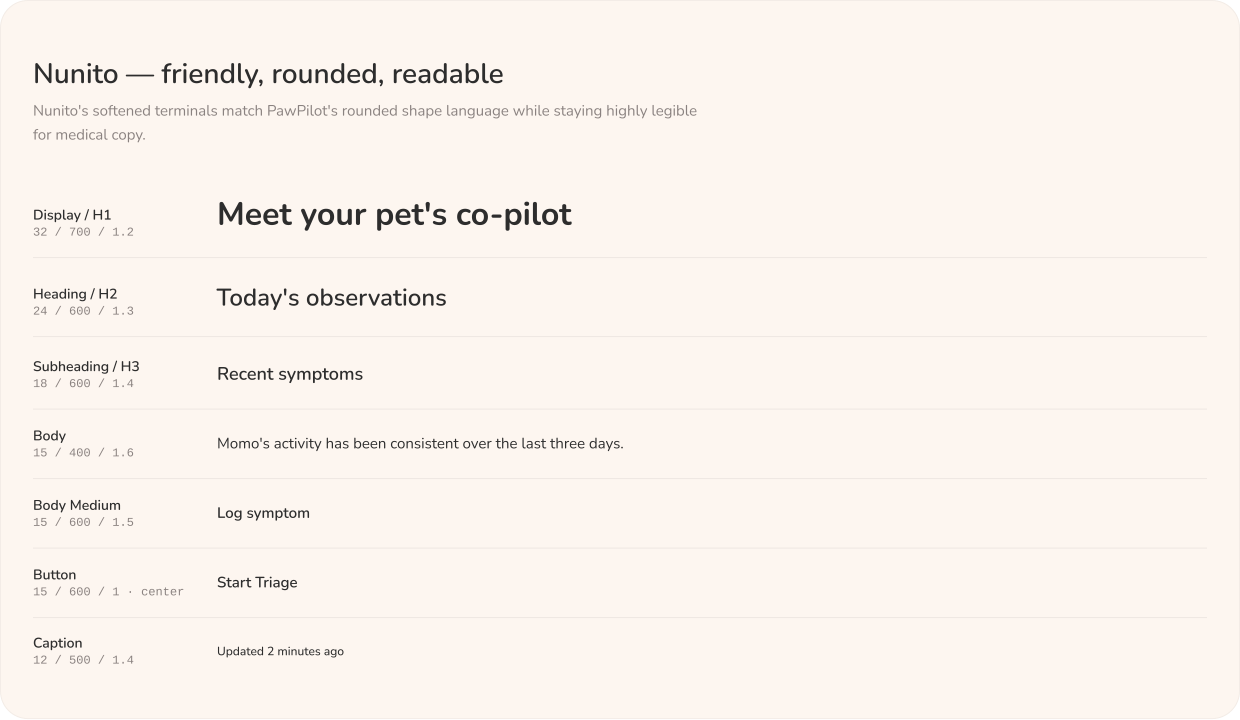
TYPOGRAPHY
10 PROCESS
How I used AI tools to turn an initial idea into a working product concept.
PawPilot started as a sketch in a notebook. Six steps later, it became a real product concept — by treating AI tools not as a shortcut, but as collaborators at each stage of the workflow.
01
Brainstorm
Brainstorm
Started from real frustrations as a pet owner — mapped current gaps in pet apps, vet workflows, and smart devices into one problem space.
Started from real frustrations as a pet owner — mapped current gaps in pet apps, vet workflows, and smart devices into one problem space.
02
Expand with ChatGPT
Expand with ChatGPT
Used ChatGPT as a thinking partner to widen scope — explore non-traditional species, surface care-logic differences, and pressure-test feature scope.
Used ChatGPT as a thinking partner to widen scope — explore non-traditional species, surface care-logic differences, and pressure-test feature scope.
03
Structure prompts with Claude
Structure prompts with Claude
Wrote disciplined prompts for baseline detection, and vet-report generation — the foundation for how the AI should “talk” inside product.
Wrote disciplined prompts for baseline detection, and vet-report generation — the foundation for how the AI should “talk” inside product.
04
Prototype in Figma Make
Prototype in Figma Make
Generated the first end-to-end flow inside Figma Make — onboarding, dashboard, triage chat, vet report — to feel the rhythm before drawing pixels.
Generated the first end-to-end flow inside Figma Make — onboarding, dashboard, triage chat, vet report — to feel the rhythm before drawing pixels.
05
Iterate through conversation
Iterate through conversation
Looped between the prototype and AI critique — copy tone, decision points, info density. Cut anything that felt theatrical or clinical.
Looped between the prototype and AI critique — copy tone, decision points, info density. Cut anything that felt theatrical or clinical.
06
Apply my own design system
Apply my own design system
Replaced AI-generated styles with the cream/mint design language — structured cards, and a single mint health signal across the system.
Replaced AI-generated styles with the cream/mint design language — structured cards, and a single mint health signal across the system.
11 FUTURE POSSIBILITIES
What could PawPilot become next?
From a personal companion to a connected care network. Four horizons stretch PawPilot beyond the current prototype — each one builds on the last.
01
Hardware
A deeper hardware ecosystem
What if every smart pet device — feeders, fountains, litter trackers, environment sensors — shared the same baseline?
More smart-module support could feed the Digital Twin automatically. The app would shift from manual logs to passive listening — and notice things before the owner does.
02
Vet Bridge
A real bridge to vets
What if the Vet-Ready Report wasn’t a one-way PDF, but a two-way conversation with clinics?
Visit summaries, medication tracking, follow-up workflows — the app could quietly handle the in-between, so home and clinic stay on the same page.
03
Hardware
A care network, not a solo app
What if caring for a pet was something a household did together, not something one person carried alone?
Family members, pet sitters, vet techs — all sharing one record, with notes and reminders routed to whoever’s actually with the pet that day.
04
Vet Bridge
An AI that knows this pet
What if the Digital Twin learned enough about one specific animal to predict before it observes?
Personal baseline, owner-tuned sensitivity, predictive flags for chronic-condition risk — calm on quiet days, loud only when something genuinely shifts.
A calm, caring AI system for whole-pet health — multi-species, monitored daily, vet-ready when it matters.
ROLEVibe Coding · UI/UX · Research · Prototyping
TIMELINEJan 2026 — Apr 2026
BACKGROUNDCase Study · Personal Project · UI/UX Thinking
01 — Overview
A connected health system, not a one-time search.
PawPilot is a multi-species AI pet health companion. It guides owners through symptom triage with calm, structured questions; builds a daily baseline from logs and smart-device signals; and turns scattered observations into a vet-ready report — so the moment something feels off, the next step is already clear.
02 — Problem Statement
Pet care today is fragmented, reactive, and built mostly for dogs and cats.
01
Owners can't read the signals
Owners often Google symptoms or wait too long, unsure whether what they're seeing warrants a vet visit.
02
Health records are scattered
Vaccine pictures, vet notes, and feeding routines live across photos, notes, and chat threads.
03
Non-traditional pets ignored
Birds, reptiles, fish, and exotic pets need different care logic, but most apps focus on cats and dogs.
04
Smart device data is isolated
Feeders, litter boxes, activity trackers, and environment sensors often live in separate apps.
Opportunity
What if pet health became a connected system, instead of a one-time search?
01 — GUIDE
Walk owners through safe, structured decisions when symptoms show up.
02 — BASELINE
Build a daily health baseline so changes are noticed before they escalate.
03 — CONNECT
Pull in real-world signals from devices, photos, and routines into one view.
03 — Target User
For owners who need structure, not just advice.
PawPilot is especially useful in the moments where care gets complicated — multiple pets, unusual species, or smart devices that don't talk to each other.
🐕 🐈
Common · The default user · ~60% of users
Everyday pet owners
People with a single dog or cat who need help understanding symptoms and daily health changes — without needing a vet for every question.
What they need
—Calm second opinion before a vet visit
—One place for vaccine records and notes
—Gentle reminders, not noisy notifications
🐕 🐈 🐇
Power user · Multi-profile · ~18% of users
Multi-pet households
Owners managing several animals at once who need separate profiles, reminders, and records so nothing slips through the cracks.
What they need
—Per-pet baselines and history
—Color-coded reminders that don't blur together
—Shared access for partners and pet sitters
🦜 🦎 🐠
Underserved · Primary focus
Non-traditional owners
Owners of birds, reptiles, fish, small mammals, amphibians, and exotic pets — who currently rely on forums and Discord because no app speaks their species.
What they need
—Species-specific logic and red flags
—Habitat and environment tracking
—Connects to a network of exotic-friendly vets
🍽️ 💧 📡
Tech-forward · Hub user
Smart-device users
People who already use feeders, fountains, litter boxes, sensors, or activity trackers — but whose data lives in five different apps that never talk to each other.
What they need
—Unifies feeder, fountain, and tracker data
—Detects drift from a pet's normal baseline
—Surfaces patterns no single device can see
04 — The Product
A multi-species AI pet health companion.
Four core functions, tuned to the moment owners actually need them — calm enough to use daily, structured enough to trust in an emergency.
AI Symptom Check
CHAT & ACTION
A guided triage chat that helps owners describe what they're seeing — and what to do next.
Daily Health Tracking
MONITORING
Lightweight logs for appetite, water, waste, and behavior — turned into a quiet baseline over time.
Owner observations, logs, photos, and device data — packaged for a clinic in one structured PDF.
FEATURE 1 — MULTI-SPECIES SUPPORT
Care logic that fits the animal.
A bird, a reptile, and a hamster can't be triaged with the same symptoms, follow-up questions, or warning signs. Species Packs make the system actually usable for the real world of pet ownership.
01
Support for non-traditional pets
Every pet gets a structured profile from day one. Basic info, photos, vaccines, and a baseline that the app keeps learning from — the foundation for everything downstream.
02
Species Packs
Plug-in care logic per species. PawPilot adjusts symptom trees, normal ranges, and red flags based on your pet's profile — automatically, without you re-teaching the app.
03
File creation
Every pet gets a structured profile from day one. Basic info, photos, vaccines, and a baseline that the app keeps learning from — the foundation for everything downstream.
WHY IT MATTERS
A bird, a reptile, and a hamster cannot be assessed using the same symptoms, follow-up questions, or warning signs.
They allow PawPilot to adjust key metrics, red flags, and care logic based on the type of animal.
Without a structured pet profile, the app cannot personalize tracking, device interpretation, or symptom triage.
Internet growth has sparked interest in non-traditional animals — we have to meet this demand.
FEATURE 2 — MONITORING · DIGITAL TWIN
Figure out what's normal — before things get messy.
PawPilot isn't just for emergencies. Daily logs and connected devices teach the app what "normal" looks like for this animal, so small drifts get caught early, not after they spiral.
04
Device Hub
Feeders, fountains, litter trackers, and environment sensors reconcile against the same baseline — so changes get caught earlier than memory ever could.
05
Proactive Alerts
Connected devices detect unusual changes against each pet’s baseline and notify owners early. PawPilot explains what changed and possible causes, helping users respond quickly and seek appropriate care.
06
Daily health tracking
PawPilot tracks each pet’s daily health signals and compares them with their baseline, helping owners spot changes early.
WHY IT MATTERS
Daily logs and device data help PawPilot learn each pet's baseline over time.
Instead of isolated numbers, the system compares appetite, water, activity, waste, and environment against the pet's usual behavior.
By connecting smart devices, PawPilot can move beyond manual input and catch changes earlier.
Everyday devices help identify the causes of pets' illnesses more accurately and quickly.
FEATURE 3 — CHAT & ACTION
Guided triage — not just chatbot replies.
Owners don't just need information; they need help deciding what to do next. Symptom Triage walks them through urgency, possible causes, and next steps — then bundles everything into a Vet-Ready Report.
07
Symptom Triage Chat
Species-aware questions combine owner observations with profile and device data to assess urgency, identify possible causes, and guide the safest next step.
08
Vet-Ready Report
Owner observations, logs, photos, and device data are packaged into one structured PDF — a summary the clinic can actually read in the exam room.
09
Vet Visit Prep
Provides the fastest vet best suited to the pet's condition and schedules an appointment — helping users treat their pets' illnesses more effectively and quickly.
WHY IT MATTERS
The goal is to help owners understand urgency, possible causes, and what to do next.
Instead of guessing or searching online, owners get a clear path — monitor, prepare for a visit, or seek emergency care.
It turns scattered symptoms, logs, media, and device signals into a structured summary the clinic can use immediately.
Pets can be in worse condition than owners realize — early structured action matters.
System Flow
Four moments, one loop.
Daily tracking feeds detection. Detection triggers action. Action loops back into follow-up — and the baseline learns. The whole system is a quiet rhythm, not a one-time tool.
01
Monitor
Daily logs & devices
↓
02
Detect
Baseline anomalies
↓
03
Act
Triage & vet report
↓
04
Follow Up
Learn the baseline
↺ Action loops back — and the baseline learns.
User Research
What do owners actually need from a pet health app?
I spoke with pet owners across very different situations — first-time dog parents, multi-pet households, reptile and bird keepers, and people already using smart feeders or fountains — to hear where existing tools let them down.
METHOD
11
Owner interviews · 30–60 min
SPECIES COVERED
7
Dog, cat, rabbit, hamster, gecko, parrot, fish
SURVEY RESPONSES
20
Online questionnaire · pet owner forums
EXPERT TALKS
2
Practicing veterinarians, exploratory
User Interviews
Three pet-owner realities shaped PawPilot.
These conversations exposed three recurring gaps: species support, connected device data, and clear coordination across a multi-pet household.
Non-traditional Pet Keepers
Emily, 24
Hamster Owner
New Pet Owner
“
Whenever my hamster acts differently, I don’t know if it’s something serious or just normal behavior. There aren’t many reliable resources for small animals.
Key Pain Points
1Most pet apps focus only on cats and dogs
2Hard to find accurate, species-specific advice
3Small changes are hard to interpret
Needs
Species-specific care
Clear guidance
Professional advice
Smart Device User
Daniel, 30
Golden Retriever
Using Smart Device
“
I already own several smart pet devices, but they all run on different apps. This makes them very inconvenient to use.
Key Pain Points
1Device data is scattered across different apps
2Lots of numbers but little explanation
3No system to catch changes early
Needs
Unified Dashboard
Smart Interpretation
Proactive Alerts
Multi-Pets Family
Sarah, 38
2 Dogs, 1 Cat
Multi-Pet Owner
“
Managing one pet is easy. Managing three is completely different. I always forget who took medicine, who skipped breakfast or who is sick.
Key Pain Points
1Health records become confusing
2Difficult to track medications and appointments
3Family members don’t always know the latest updates
Needs
Separate Profile
Quick Overview
Separate Management
Owners want confidence, not more information
Pet owners often feel inundated by the vast information available online. Instead of another platform for symptom searches, they require clear guidance that highlights key concerns and actionable steps.
Why it matters
We need to turn confusing symptoms into clear next steps with trustworthy guidance.
Pet care happens across fragmented routines
Taking care of a pet involves many small daily actions — feeding, medication, behavior changes, vet visits—but owners rarely have a complete picture of their pet’s health.
Why it matters
We need to connect daily observations into meaningful patterns over time.
Every species has its own language of health
Owners of non-traditional pets frequently develop expertise in their animals, as conventional pet resources often fail to comprehend the distinct behaviors and requirements of these unique creatures.
Why it matters
We need intelligence tailored to each species, not one-size-fits-all.
Smart devices create data, but owners need interpretation
Pet owners who possess smart pet devices prefer not to have additional dashboards. Instead, they seek technology that intuitively comprehends their pets and notifies them of significant changes.
Why it matters
We need AI to transform device data into proactive health insights.
User Journey
From a frightening symptom to recovery.
Emily, 24 · hamster owner. One episode of diarrhea becomes a guided path from panic to treatment, recovery and prevention.
Discover
01
Symptoms appear
Alarmed
User Action
She discovers that her hamster has diarrhea and becomes very worried.
Emily checks her hamster’s appetite, hydration and activity levels, but she is unsure whether the symptoms require immediate attention.
PawPilot Response
Starts an urgent diarrhea flow directly from the hamster profile.
Investigate
02
AI investigates
Uncertain
User Action
She follows the AI’s questions step by step to understand what happened.
PawPilot reviews Emily’s answers together with feeder and water-device data, then identifies excess fruit as the likely cause of the diarrhea.
PawPilot Response
Asks focused questions, reviews device data and identifies the probable trigger.
Respond
03
Stabilize & reach vet
Focused
User Action
She acts quickly, stabilizes her hamster and reaches the right vet.
Emily follows immediate care guidance, then syncs the Vet Report from her phone to the clinic screen for professional treatment.
PawPilot Response
Gives urgent care steps and red flags, prepares a shareable Vet Report and finds a nearby hospital.
Recover
04
Follow up & learn
Relieved
User Action
She tracks recovery and builds a safer routine.
After treatment, Emily records medicine, stool, appetite and water, using daily check-ins to prevent another episode.
PawPilot Response
Tracks recovery, reminders, diet changes and the hamster’s updated baseline.
Market Research
Where PawPilot sits in the pet-tech landscape.
CATEGORY A
General pet apps
Vaccination reminders, weight logs, light social features. Dog- and cat-centric.
✕Dog/cat only
✕No baseline/pattern detection
✕No device integration
✕Reactive, not preventive
CATEGORY B
Vet telehealth platforms
Pay-per-consult video chat with a vet. Useful, but only after something has already escalated.
✕Expensive per use ($30–80)
✕Owners must already know it's serious
✕No daily continuity
✕No data handoff to in-person vet
CATEGORY C
Device companion apps
Single-purpose apps tied to a feeder, fountain, litter box, or activity collar.
✕Locked to one brand / device
✕Data silos — no cross-signal view
✕No symptom intelligence
✕Owner has to be the integrator
POSITIONING
PawPilot — a connected pet-health system.
Between general apps and emergency vet calls. Between siloed devices and personal memory. A daily baseline, multi-species care logic, and a structured handoff to professionals when it matters.
Multi-species
Species Packs, not just dog/cat
Baseline-driven
Digital Twin per pet
Device-agnostic
Hub for existing hardware
Vet-ready
Structured handoff PDF
POSITIONING MAP
CONTINUOUS · DAILY CARE DEPTH ↑
QUADRANT IV — SPECIALIST
Deep for one device or species
Device apps · one brand, one signal
OPEN TERRITORY — DAILY COMPANION
Broad species + connected daily care
PawPilot · connected pet-health system
QUADRANT III — REACTIVE
Narrow scope, episodic
Vet telehealth · pay-per-consult
QUADRANT I — GENERALIST
Many species, shallow use
General pet apps · dog/cat reminders
← NARROWSPECIES BREADTHBROAD →
Design Language
A warm cream canvas with a mint health signal.
Neutral cream sets the emotional tone — calm, never clinical. Mint green is reserved for primary action and healthy states. Semantic color escalates gracefully: monitor → urgent → emergency.
MINT PRIMARY
#4FB589 · CTA, active, healthy
CREAM BG
#FEF7F0 · Emotional tone, calm
TEXT
#2D2D2D · Primary text, nav
URGENT
#F1A93B · Action needed soon
MINT TINT
#DFF7EB · Hover, subtle fills
EMERGENCY
#E8614B · Contact vet immediately
TYPOGRAPHY
Process
How I used AI tools to turn an initial idea into a working product concept.
01
Brainstorm
Started from real frustrations as a pet owner — mapped current gaps in pet apps, vet workflows, and smart devices into one problem space.
02
Expand with ChatGPT
Used ChatGPT as a thinking partner to widen scope — explore non-traditional species, surface care-logic differences, and pressure-test feature scope.
03
Structure prompts with Claude
Wrote disciplined prompts for baseline detection and vet-report generation — the foundation for how the AI should "talk" inside the product.
04
Prototype in Figma Make
Generated the first end-to-end flow inside Figma Make — onboarding, dashboard, triage chat, vet report — to feel the rhythm before drawing pixels.
05
Iterate through conversation
Looped between the prototype and AI critique — copy tone, decision points, info density. Cut anything that felt theatrical or clinical.
06
Apply my own design system
Replaced AI-generated styles with the cream/mint design language — structured cards, and a single mint health signal across the system.
Future Possibilities
What could PawPilot become next?
A deeper hardware ecosystem
What if every smart pet device — feeders, fountains, litter trackers, environment sensors — shared the same baseline? More smart-module support could feed the Digital Twin automatically, shifting the app from manual logs to passive listening.
A real bridge to vets
What if the Vet-Ready Report wasn't a one-way PDF, but a two-way conversation with clinics? Visit summaries, medication tracking, follow-up workflows — home and clinic stay on the same page.
A care network, not a solo app
What if caring for a pet was something a household did together? Family members, pet sitters, vet techs — all sharing one record, with notes routed to whoever's actually with the pet that day.
An AI that knows this pet
What if the Digital Twin learned enough about one specific animal to predict before it observes? Personal baseline, owner-tuned sensitivity, predictive flags — calm on quiet days, loud only when something genuinely shifts.